EV News
Trontek’s In-House R&D Powers Adaptability for Emerging Technologies

With India’s EV market expanding, the company is ramping up production capacity, increasing e-rickshaw battery output from 30k to 50k units and E2W battery capacity from 15k to 20k units, per month.
India’s electric mobility journey is creating new opportunities for battery companies, but it is also separating fast movers from slow adopters. Among the early companies to recognise this transition was Trontek Electronics Limited, which began its journey in the battery business nearly two decades ago, long before electric vehicles became mainstream in India.
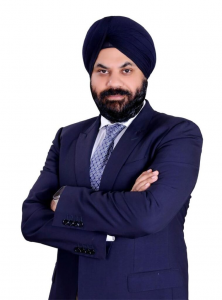
The company’s founder Mr. Samrath S Kochar, Founder and CEO at Trontek Electronics Ltd, started working in the battery segment in 2004, initially focusing on trading UPS batteries before formally establishing Trontek Electronics in 2006. In the early years, the company operated largely in the lead-acid battery segment, catering to two-wheelers and later e-rickshaws as the three-wheeler electric mobility market slowly began expanding in India. However, the turning point came in 2017, when the company introduced lithium-ion batteries for e-rickshaws — becoming one of the first players in the country to do so.
At a time when the market was still dominated by conventional lead-acid batteries, the move towards lithium-ion technology was considered risky. But Trontek saw the long-term shift early. Since then, the company has steadily expanded its lithium-ion battery portfolio for electric two-wheelers, three-wheelers and solar lighting applications, while gradually exiting the lead-acid business completely by 2019.
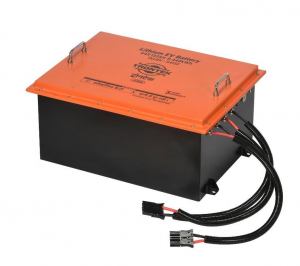
Today, the company sees a strong structural shift towards lithium-ion batteries across the electric mobility ecosystem. According Mr. Kochar, customers now increasingly prefer lithium-ion technology because of its lighter weight, longer life, improved performance and better efficiency. Falling lithium prices over the last few years also helped accelerate adoption, even though prices have recently begun rising again, he mentioned.
Government regulations are further speeding up this transition. From March 2027, all new e-rickshaws sold in India are expected to use lithium-ion batteries, which the company believes will significantly increase demand. Currently, lithium-ion batteries account for nearly 60–70% of new e-rickshaw sales, while the replacement market still remains dominated by lead-acid batteries. However, this balance is expected to change rapidly over the next few years, he observed.
One of the biggest challenges for India’s lithium-ion battery industry remains its heavy dependence on China for battery cells. While companies like Trontek have localised several components such as battery management systems (BMS) and chargers, the cells themselves are still largely imported. He pointed out that this dependence is not unique to India, as even global automotive giants and EV makers continue sourcing cells from China because of the country’s massive manufacturing scale and supply chain dominance.
The recent rise in cell prices has created pressure on battery manufacturers globally. According to the company, Chinese suppliers have increased prices sharply because of growing worldwide demand and limited alternative supply sources. Yet, Trontek believes that it has managed supply-chain risks relatively well by building strategic relationships with suppliers.
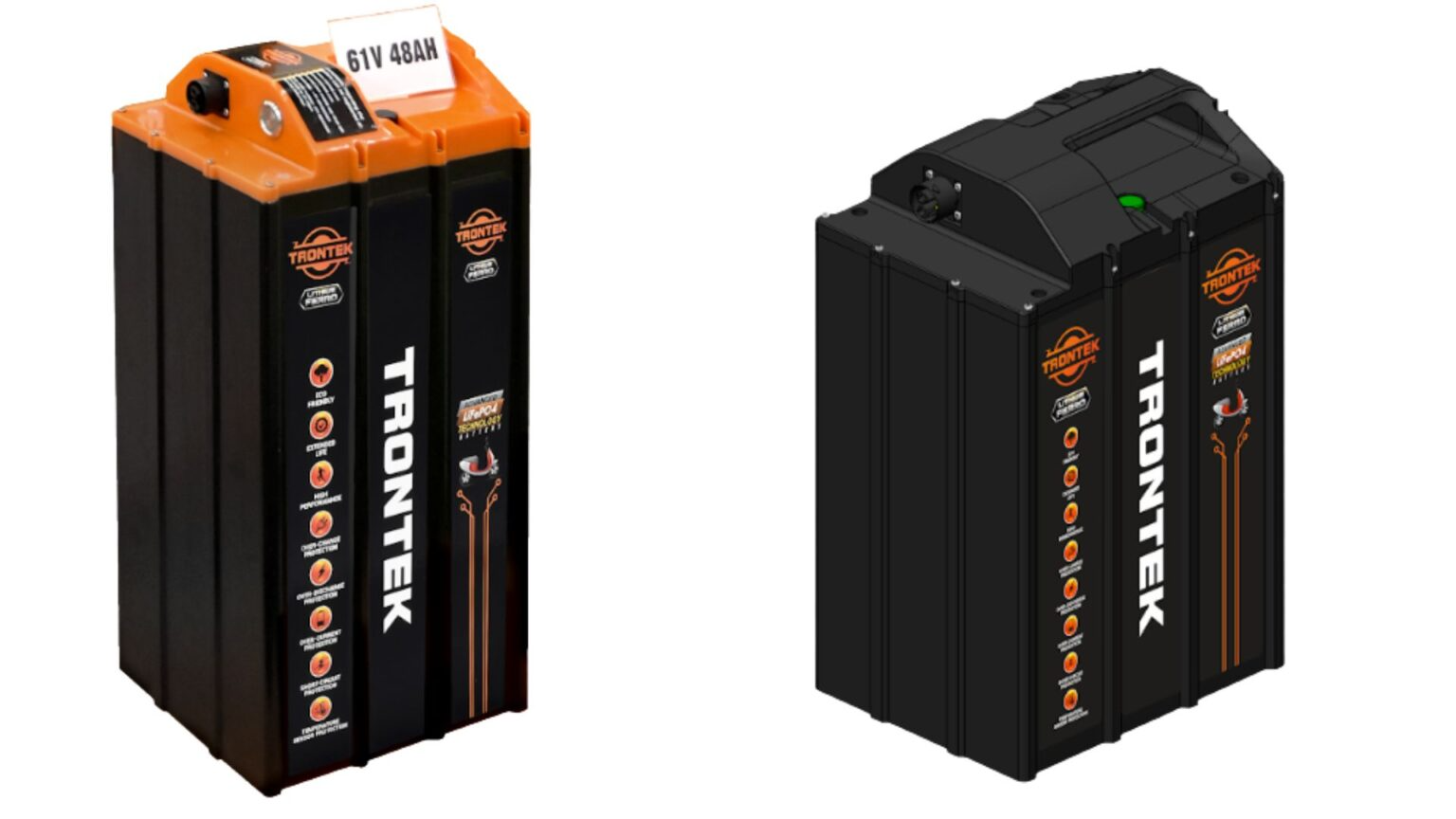
Unlike many players trying to enter cell manufacturing, the company currently prefers to focus on battery pack development and system integration. It says the real strength lies in quickly adapting to changing battery chemistries and evolving technologies. At present, the company operates entirely on LFP (Lithium Iron Phosphate) chemistry, which it adopted early and now considers commercially stable and reliable for Indian applications.
The company also believes its strong in-house R&D capability gives it flexibility to adapt to future technologies such as sodium-ion or solid-state batteries whenever they become commercially viable. Its R&D team continuously works on developing new battery packs, improving battery management systems and integrating emerging technologies into future products.
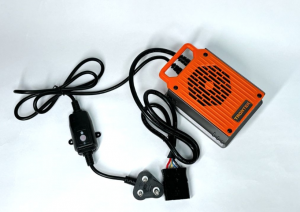
Battery management systems, often described as the “brain” of the battery, have become a key focus area for the company. Trontek develops its own BMS solutions in-house, integrating them directly within battery packs to improve battery health, safety and overall performance. Chargers too are supplied along with the battery systems as part of an integrated package solution.
Currently, the company supplies batteries to more than 200 e-rickshaw manufacturers across India and also caters to electric two-wheeler companies such as Ampere and BGauss. While the electric two-wheeler market is becoming increasingly consolidated among larger OEMs producing their own battery packs, the company continues expanding its presence across regional e-rickshaw markets, especially in southern and western India.
As India’s EV market continues to grow, the company is also scaling up production capacity. Its current monthly e-rickshaw battery manufacturing capacity stands at around 30,000 units, with plans to increase this to 50,000 units. Electric two-wheeler battery production capacity is also being expanded from 15,000 units per month to 20,000 units, he highlighted.
Beyond mobility, the company has entered Battery Energy Storage System (BESS) and home energy storage space, seeing significant future demand from renewable energy integration and grid-scale storage projects. The company plans to supply large-scale BESS solutions for government and solar energy projects, while also targeting residential energy storage applications.
For Trontek, the future lies not just in manufacturing batteries, but in staying agile in a rapidly evolving technology landscape. From pioneering lithium-ion batteries in India’s e-rickshaw segment to preparing for next-generation energy storage systems, the company sees adaptability and speed as the key drivers of long-term growth in the electrification era, Mr. Kochar concluded.