EV News
Electric Park Brake Production Marks India’s Rise in ZF’s Global Play

India has become ZF’s new global growth engine, driven by strong talent, fast-building infrastructure and reliable supply chains—much like China was fifteen years ago.
India is fast becoming a defining chapter in ZF’s global expansion plans. What once began as a strong base for commercial vehicle (CV) technologies has now evolved into one of its most important regions worldwide — a hub for Electric Park Braking systems, advanced engineering, manufacturing excellence and future mobility solutions.
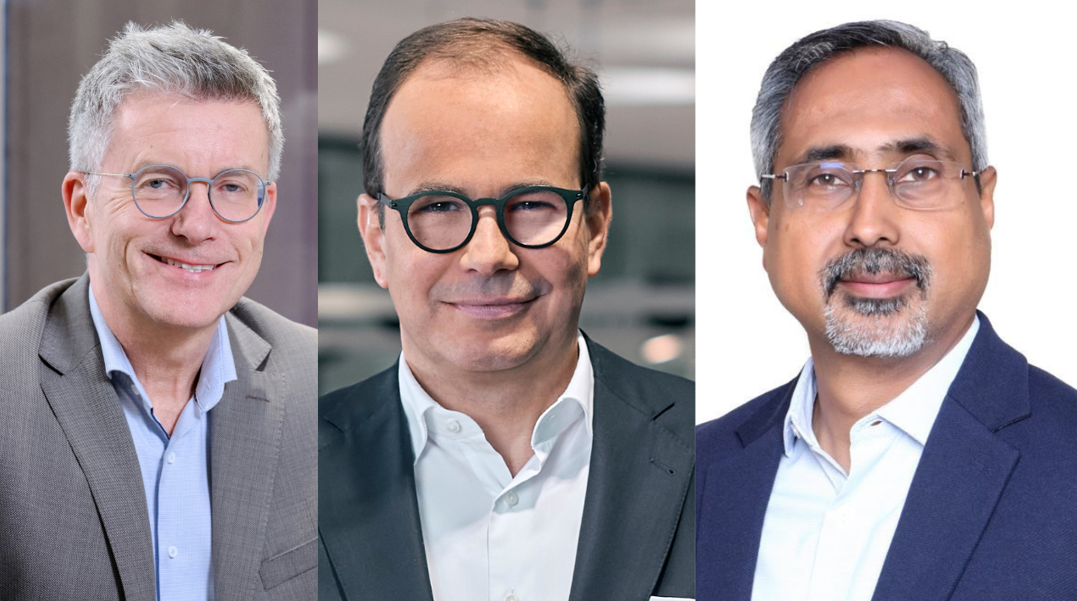
According to Dr. Peter Holdmann, Member of the Board of Management, R&D – North and South America regions & Chassis Solutions, ZF Group, the shift is driven by a clear understanding that India is no longer just a promising market; it is fast becoming a strategic pillar for global automotive growth. With rising vehicle volumes, supportive regulations and major OEM investments, India is now a place where new technologies can be developed, manufactured and even exported at world-class scale.
The passenger car segment is now a major thrust area, fuelled by a 4–4.5-million-unit annual market, rising exports and a clear pivot toward electrification. Establishing an EPB line is only the first step. Many more technologies will follow as the company expands its offerings for Indian OEMs, said Mr. Akash Passey, President, ZF Group India.
Mr. Andreas Moser, Member of the Board of Management, CVs, Industrial Technologies, Region India, ZF Group, said, a key part of this story is ZF’s plan to make India a strong base for EPBs. This also marks its re-entry into the passenger-vehicle brake system space after it ended its partnership with Brakes India in June 2021. Since most Indian carmakers currently rely on imported EPBs, the growing demand creates a major opportunity for ZF, which originally invented the EPB through TRW. The company is set to supply EPB systems to a leading Indian OEM soon.
“By increasing localisation from 40–50% today to nearly 90% in the next two years, the company is reshaping how EPBs are built for the Indian and global market. While components like castings are easier to localise, the motor remains the most complex challenge. Yet, India is expected to reach deep localisation faster than many other regions. Along with this, ZF’s EPB systems already meet Euro 7 requirements for brake noise and emissions through advanced control strategies that reduce wear and improve efficiency,” Dr. Holdmann said.
India Accelerates
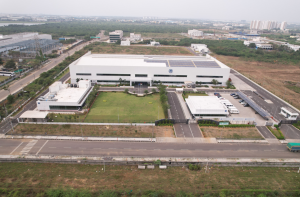
Parallel to EPB localisation, ZF is repositioning India as a major engineering and manufacturing powerhouse. Responsibilities that once sat in Europe are gradually shifting here, especially in CVs and transmissions. German engineering teams are being downsized while roles are added in India to build stronger local capability, creating a two-way learning ecosystem. At the same time, plants like ZF’s facility in Coimbatore showcase the company’s manufacturing strength, balancing automation with high-quality production suited to all applications including construction equipment, Mr. Moser said.
India is also becoming an important destination for cutting-edge mobility technologies. ZF’s special light-version ADAS system, based on its OnGuard Max 1.0, is designed specifically for India’s price-sensitive market and upcoming regulations. The system will cost significantly less than its European counterpart but remain highly capable for Indian conditions.
Mr. Passey added that India is also emerging as an electrification hub, with the company already supplying key components such as e-compressors for electric buses. Work is underway on solutions for tractor–trailer combinations, bringing electrification deeper into the heavy-duty ecosystem.
This momentum is backed by “ZF’s four cornerstones for long-term success in India: local sourcing, local engineering, local manufacturing and deep talent development. The company’s integrated One ZF approach connects all its businesses — from commercial vehicles and passenger cars to industrial and digital technologies — into a single, synergised strategy,” Mr. Moser noted.
ZF leaders reinforce how central India has become. Dr. Holdmann described India as one of the world’s most attractive growth markets, thanks to strong regulations, booming infrastructure and a global shift toward regionalised engineering. The company plans to invest Euro 250–250 million across the coming years to accelerate this transformation.
Across engineering, manufacturing, digital systems and electrification, India is emerging as ZF’s new growth engine — a role China once played nearly fifteen years ago. With stable supply chains, rapid infrastructure development and strong local talent, India is now at the centre of ZF’s global ambitions, Dr. Holdmann added.